
Greenway Vision Studio provides dry eye treatment in Raleigh for patients dealing with burning, gritty, watery, or irritated eyes. Dr. Handschumacher evaluates the tear film, eyelids, and other factors that may be contributing to your symptoms before recommending a treatment plan.
Dry Eye Treatment in Raleigh - For Watery, Itchy, Sore Eyes
When Dry Eye Affects Your Day, You Don’t Have to Push Through It
Dry eye can make screens harder to read, contact lenses uncomfortable, and outdoor time frustrating. It is also remarkably common: a peer-reviewed U.S. study estimated that 16.4 million adults have diagnosed dry eye disease.
At Greenway Vision Studio, we take time to understand what may be contributing to your symptoms rather than assuming every case needs the same solution. We look at your tear film, eyelids, daily habits, and other relevant factors, then recommend care that makes sense for your eyes and routine.

Common Dry Eye Symptoms
Dry eye doesn’t always feel “dry.” You may notice:
-
Burning, stinging, or irritation
-
Gritty or sandy sensation
-
Redness or eye fatigue
-
Watery eyes (reflex tearing)
-
Blurry vision that comes and goes
-
Light sensitivity
-
Discomfort with contact lenses
-
Crusting along the lashes or lid irritation
If you have sudden vision loss, severe eye pain, or a new injury, contact us right away for urgent guidance.
What Causes Dry Eye?
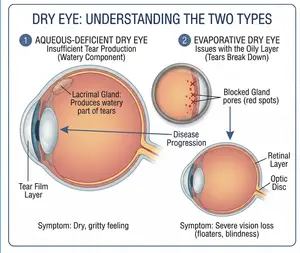
Dry eye is usually linked to one (or both) of these issues:
- Evaporative dry eye: This is often linked to meibomian gland dysfunction (MGD). With MGD, the tear film layer is unstable. Which leads to your tears evaporating too fast.
- Aqueous-deficient dry eye: When your eyes don’t produce enough of the watery portion of tears.
Dry eye can also be influenced by lifestyle and health factors, including:
-
Screen use and reduced blinking
-
Heating, air conditioning, wind, smoke, or dry climates
-
Hormonal changes
-
Certain medications
-
Contact lens wear
-
Eyelid inflammation (blepharitis)
-
Autoimmune conditions (in some cases)

Dry Eye Testing and Diagnosis
Relief starts with a clear diagnosis. Your dry eye assessment may include:
-
A review of symptoms, triggers, and lifestyle factors
-
Evaluation of the eyelids and tear film
-
In-office testing to understand tear stability and quality
-
Discussion of contact lens comfort, screen habits, and environmental factors
The goal is to identify the main driver of your symptoms, not just recommend the same drops you’ve already tried.
What to Expect at Your Dry Eye Appointment
You’ll start with a conversation about what you’re feeling and when symptoms show up most. We’ll then examine your ocular surface and tear film, and perform any recommended testing.
Before you leave, you’ll have a clear plan. That may include immediate next steps, at-home care, and follow-up timing to measure improvement and adjust your treatment if needed.

Get Relief with a Dry Eye Assessment in Raleigh
If you’re dealing with burning, gritty, watery, or tired eyes, we’re here to help you get answers and a plan that makes sense.
Dry Eye FAQs
Eye drops can add temporary moisture, but they may not address what is causing your symptoms. If your tears evaporate too quickly or your eyelid glands are not working as they should, relief may be short-lived.
A dry eye assessment can help determine why the drops are not doing enough.
Often, yes. Dry eye can make contact lenses uncomfortable, but it does not automatically mean you have to give them up.
We can look at your tear film, lens fit, wearing habits, and symptoms to determine whether a different lens strategy or dry eye plan may make wear more comfortable.
Yes. Your tear film creates the smooth surface your eyes need for clear vision. When that film becomes unstable, vision can fluctuate, especially during reading, screen use, or other visually demanding tasks.
If blinking briefly clears the blur before it returns, dry eye may be one factor worth evaluating.
Your eyes spend the day dealing with screens, reduced blinking, contact lenses, air conditioning, heating, and other environmental factors. By evening, those small stresses can add up.
If discomfort regularly builds as the day goes on, tell us when it starts and what you are usually doing at the time. Those details can help us understand your symptoms.
If burning, watering, irritation, fluctuating vision, or contact lens discomfort keeps returning or starts interfering with your day, it is worth having your eyes evaluated.
Sudden vision loss, severe eye pain, or an eye injury needs urgent attention rather than a routine dry eye appointment.